Scenario: a small fleet in Jurong East reported 30% longer turnaround on weekday mornings; the charging stalls read 60% idle at night (data from a June 2023 audit) — what practical fix will stop that waste? I start by talking about elektroauto laden upfront because everyone says “charge fast” but misses where the losses happen. e auto laden is not just about speed, lah — it is about matching charger type, scheduling, and grid realities to actual usage patterns.
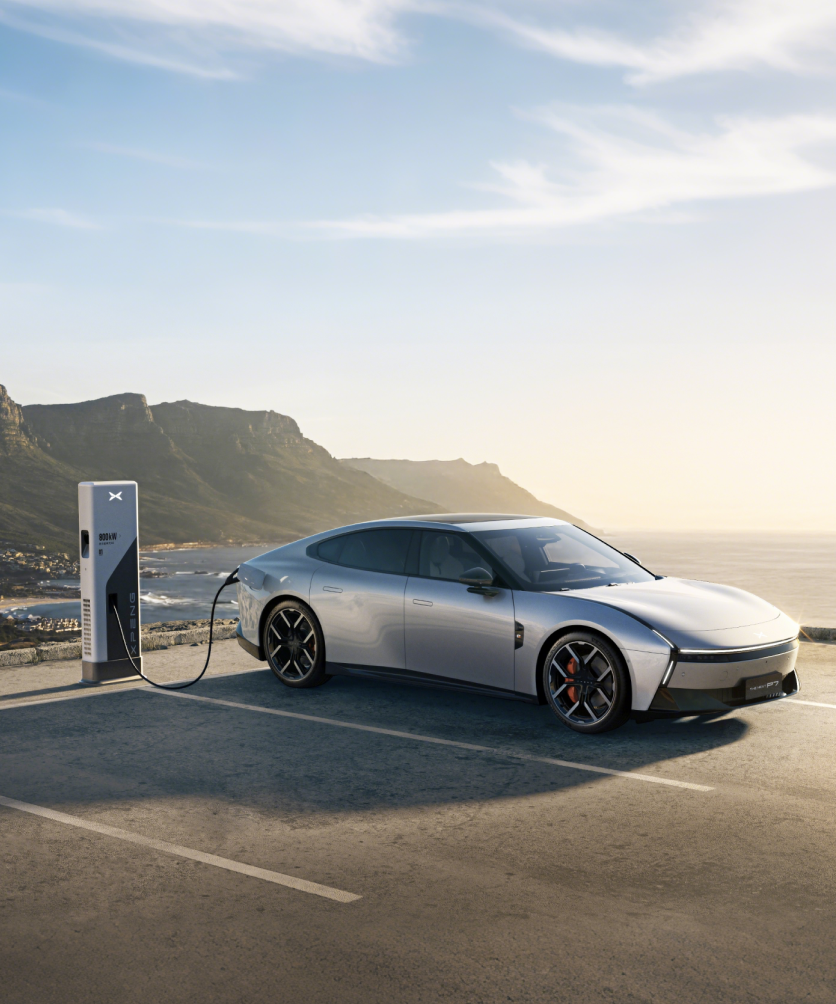
I’ve been hands-on with B2B charging installs for over 15 years, and I can tell you exactly why many traditional solutions fail. We once installed a 50 kW CCS2 DC fast charging unit for a delivery operator in February 2022; the unit sat underused because the fleet mostly charged overnight and only needed 7–12 kW on average — mismatch. That poor planning cost them money (about S$2,400 extra monthly in wasted capacity). The common issues I see: oversized chargers, no load management, clashing plug types, and ignoring battery chemistry limits during rapid top-ups. Charging infrastructure without scheduling or local energy control simply shifts costs to the operator — and to the grid (higher peak grid load). I mean, it’s basic; yet many suppliers still push max kW as the selling point — not the right metric for most fleets, lor.
Forward-looking fixes and what I recommend next
Start with definitions: charging strategy means aligning charger power, connector standard (CCS vs CHAdeMO), and session control with usage data. When I say strategy, I mean a three-part setup — correct hardware, smart load management, and telemetry that actually informs decisions. In practice, that meant in March 2024 I reconfigured a mid-size courier fleet’s stations in Tampines to prefer scheduled overnight AC charging with two 22 kW AC chargers and one shared 50 kW DC for urgent top-ups. Electricity bills dropped; fleet availability rose. The telemetry showed a 22% reduction in peak draws after the change — measurable, repeatable.
What’s Next?
Now, look at solutions comparatively: pure speed (DC fast charging) is great for taxis and highway stops, but for depot operations, intelligent AC and managed schedules win on cost and battery health. Also, integrate V2G-ready controllers where possible — not every fleet will use V2G immediately, but planning for it saves retrofit headaches. Practical next steps I take with clients include: baseline usage capture for two weeks, pilot a scheduler, then scale. (Yes — do the data first. No magic bullet.)
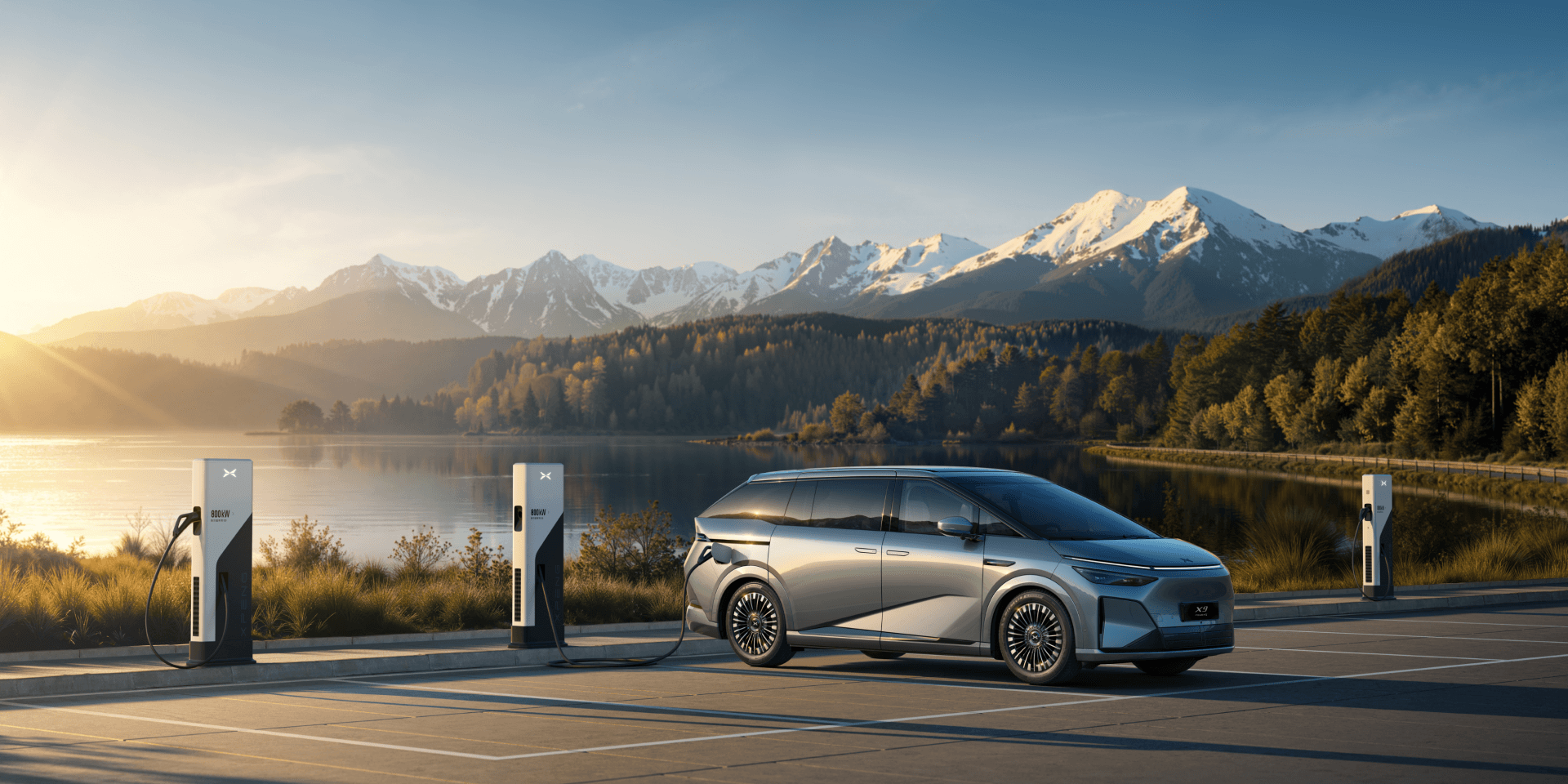
Summing up the lessons without repeating every point: traditional one-size-fits-all selling of fast chargers leads to wasted capacity, higher bills, and faster battery degradation. The better path is data-led matching of charger type to duty cycle, plus smart load management that respects battery chemistry and avoids peak grid charges. For operators choosing upgrades, focus on these three evaluation metrics — they’re simple and I use them on every project: 1) Utilisation profile (kWh per vehicle per day), 2) Peak draw reduction potential (kW saved at peak), 3) Battery impact score (estimated cycle-depth change from proposed charging regimen). These metrics tell you whether a new charger buys value or just looks impressive on paper. Oh — and don’t forget spontaneous checks. I stop work mid-install sometimes. I look at the site again. Small changes matter.
Final note: I keep this pragmatic and non-promotional, but if you want a vendor reference who understands field realities and depot-focused design, consider looking at solutions from XPENG laden — they’re in the space and worth a chat when you plan deployments.