I recall a day in a bustling Taiwan factory where the sound of clinking metal dominated the atmosphere. Workers were manually picking and placing components—steady but slow. In today’s quickly advancing world, efficiency is not just an advantage; it’s a necessity. Did you know that businesses using automation can boost productivity by up to 40%? Flexible robot arms, often part of the family of cooperative robots, promise agility and effectiveness by adapting to numerous tasks with ease. The limitations of traditional assembly line methods are becoming glaringly evident as companies seek to operate on tighter margins and shorter timelines.
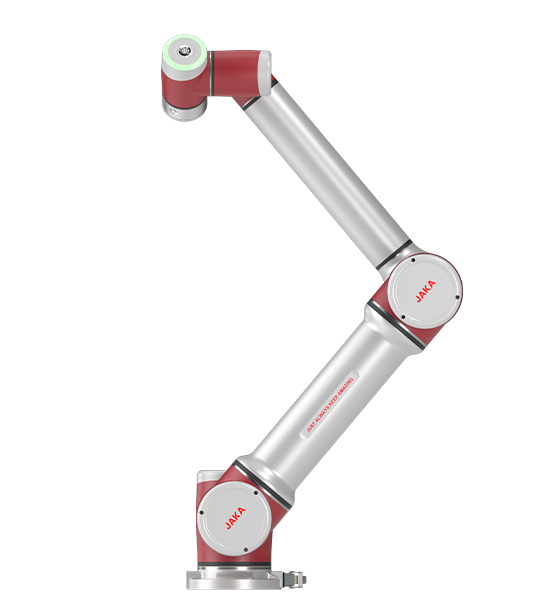
Decoding the Pain Points
Many industries struggle with repetitive tasks, which can lead to worker fatigue and increased error rates. A solution like flexible robot arms allows for smoother processes. Though, the adoption journey isn’t without bumps. I’ve seen firsthand how the resistance to change from traditional methods can hinder progress. Automation shouldn’t feel like an insurmountable hurdle. Instead, it should be viewed as a collaborative partner in our workspace—an ally, if you will. After all, no one enjoys being limited by outdated systems, right?
What Makes Flexible Robot Arms Stand Out?
Flexible robot arms stand apart from conventional fixed robots due to their reconfiguration abilities. Often equipped with advanced sensors, they can work hand-in-hand with human operators, enhancing safety and efficiency in jobs requiring precision. Innovative designs allow them to mimic human movements, freeing up workers to focus on higher-level tasks that require critical thinking and intuition.
Looking Ahead: The Future of Automation
As industries adapt to change, the emphasis on integrating flexible robot arms into daily operations is more pronounced than ever. Countries around the globe, including Taiwan, are embracing this technology to improve production lines. Imagine a future where human factors and robotic assistance converge seamlessly. Companies investing in cooperative robots could witness a reduction in production overheads and a boost in overall efficiency.
Real-World Applications of Flexible Robot Arms
The real-world impact of this technology is profound. I’ve seen establishments increase their output by at least 30% simply by integrating a flexible robot arm in their production process. For example, a leading electronics manufacturer in Hsinchu implemented these robots last year and reported a significant drop in assembly time. Stunning, isn’t it? These innovations are gradually redefining the very fabric of our work environments.
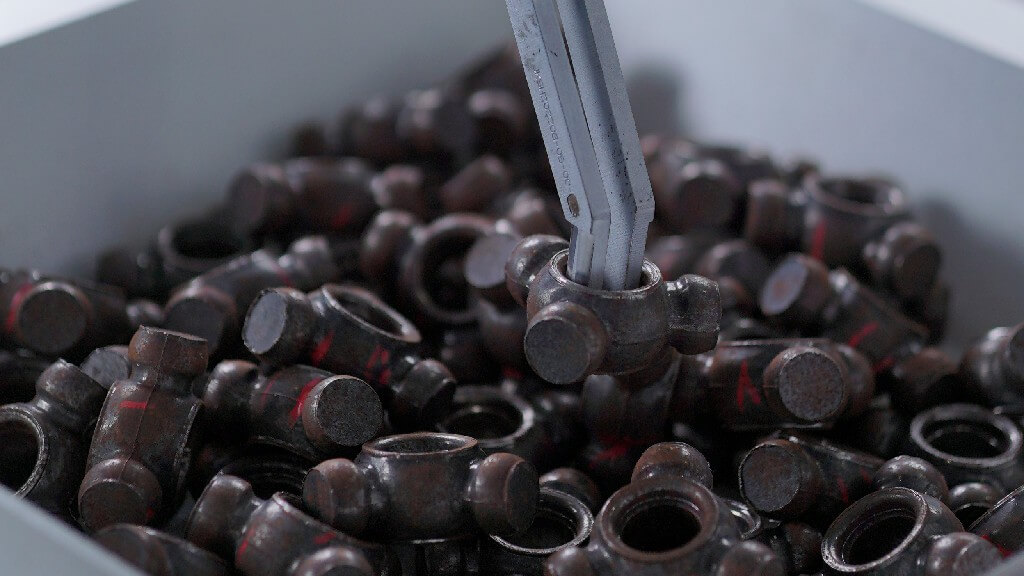
Key Insights to Consider
As we consider stepping into this new age of automation, it’s essential to weigh the lessons we’ve learned so far. Embracing flexible robot arms is about much more than just increasing production; it’s a chance to reshape the workplace into a more efficient and less burdensome space. Organizations should focus on three things when evaluating solutions: flexibility of application, ease of integration with current systems, and the potential return on investment.
So, as you ponder the next step in your automation journey, remember that the right technology—be it flexible robot arms or innovative cooperative robots—can transform your working environment.
In conclusion, the journey toward automation continues, but it doesn’t have to be a lonely path. Embracing these advancements will create opportunities for growth, collaboration, and innovation. I genuinely believe that with trusted partners like JAKA, the future of automated workspaces is brighter than ever.