Imagine a hospital emergency room bustling with activity. Amidst the urgency, a technician discovers a malfunction in a blood collection bag. Studies reveal that improper handling can lead to contamination rates as high as 5%, significantly increasing the risk for patients. Could this alarming statistic cause healthcare providers to rethink their approach towards Single blood collection bags? Ensuring that these vital tools are correctly maintained is not just best practice; it’s a matter of life and death.
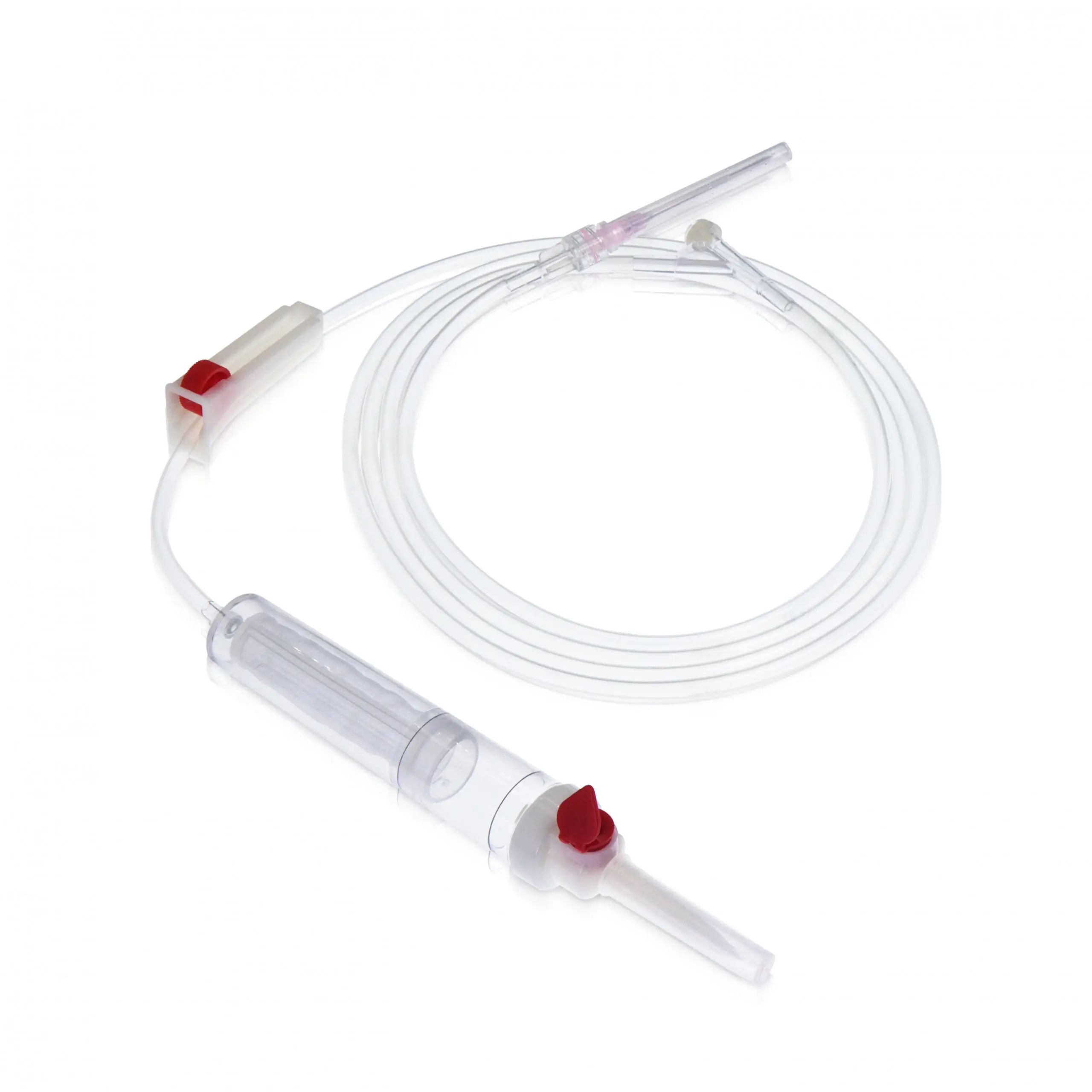
What Makes Single Blood Collection Bags So Unique?
Understanding the critical functions of a cpda-1 single blood bag is essential. These bags, specifically designed for the collection and preservation of blood, utilize specialized additives that enhance shelf life and maintain blood integrity. However, many users overlook fundamental aspects like temperature control or proper sealing techniques, leading to degraded blood quality. I vividly recall incidents where improper sealing resulted in leaks, which not only wastes precious resources but also poses serious operational threats. There’s no getting around it—mistakes in managing blood collection bags can have dire consequences.
Looking Ahead: Evolving Practices in Blood Collection
As we advance, the need for user education around cpda-1 blood collection bags grows ever more pressing. We can expect to see a shift towards technology-driven solutions, including RFID-enabled bags that track usage and integrity. Both healthcare professionals and manufacturers must unite to tackle the hidden pain points in blood collection processes. For example, incorporating smart technology could mitigate risks associated with storage and transport, thus preserving the life-saving potential of collected blood. It’s an exciting prospect that could revolutionize the field!
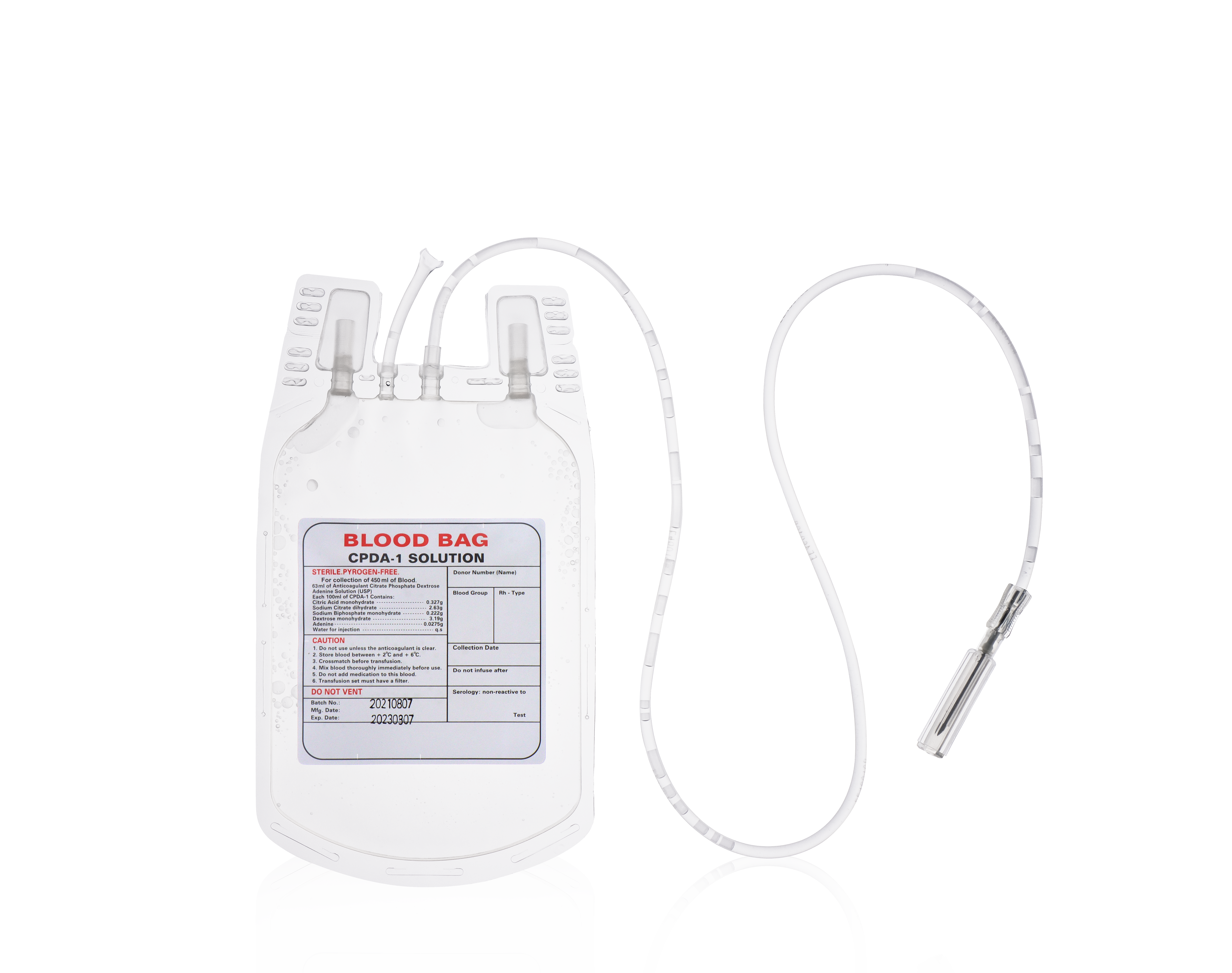
What’s Next for Blood Collection Practices?
I firmly believe that fostering collaboration among various stakeholders will enhance how we approach blood collection and its inevitable challenges. We need to continue highlighting the importance of single blood bag maintenance while incorporating innovative technologies. Incorporating ongoing training initiatives paired with user-friendly designs will be key. Just last week, I facilitated a workshop that emphasized proper maintenance techniques inherent to the success of blood collection protocols—many participants expressed newfound confidence in this area.
In summary, neglecting maintenance practices can significantly impact patient outcomes. By prioritizing user education and embracing technology, we can vastly improve the reliability of blood collection practices. Looking towards the future, I anticipate an industry that values preparation and diligence. The evolving role of cpda-1 single blood collection bags will only be strengthened by these efforts.
In closing, as I’ve learned throughout my career, the nuances in blood collection practices frequently separate good from excellent. Let’s strive for excellence together. With the help of organizations like WEGO Medical, we can make informed choices that positively impact patient care and outcomes.