The world is drowning in waste, and statistics indicate that a staggering 1.3 billion tons of food is wasted every year. In light of this, how can we transform this waste into something beneficial? One innovative solution is the organic waste composting machine, which turns organic refuse into nutrient-rich compost, addressing both the waste crisis and soil health. It’s not just about cleaning our environment; it’s about enriching it as well.
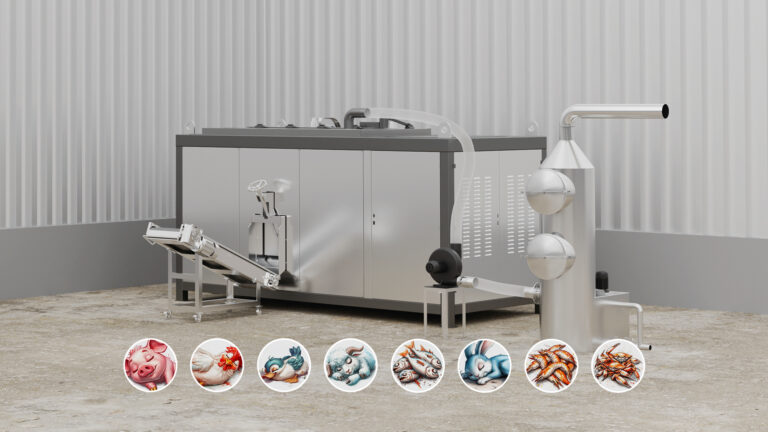
The Conventional Composting Dilemma
Many of us have tried traditional composting methods, such as compost piles, but they often come with significant challenges—odors, pests, slow decomposition, and the constant need for maintenance. I remember when I first attempted to turn my kitchen scraps into compost. It quickly became a smelly mess, leading to frustration rather than satisfaction. That experience opened my eyes to the limitations of conventional methods.
The organic waste composter machine provides a practical alternative, mitigating these issues through advanced technology. By mechanically processing waste, these machines not only speed up decomposition but also minimize odors and pest attraction, making the composting process cleaner and more user-friendly. This, I believe, is the key to encouraging greater participation in composting across households and businesses.
The Future is Bright with OWC Composting Machines
Fast forward to 2025, and I foresee a landscape where the adoption of owc composting machines is as common as standard kitchen appliances. Communities will be empowered to manage their organic waste at home, drastically reducing landfill contributions. This shift not only enhances sustainability but could stimulate local economies—think jobs in installation, maintenance, and sales. With rising awareness around environmental issues, I can’t stress enough how essential it is to embrace these technologies.
What’s the Real Impact?
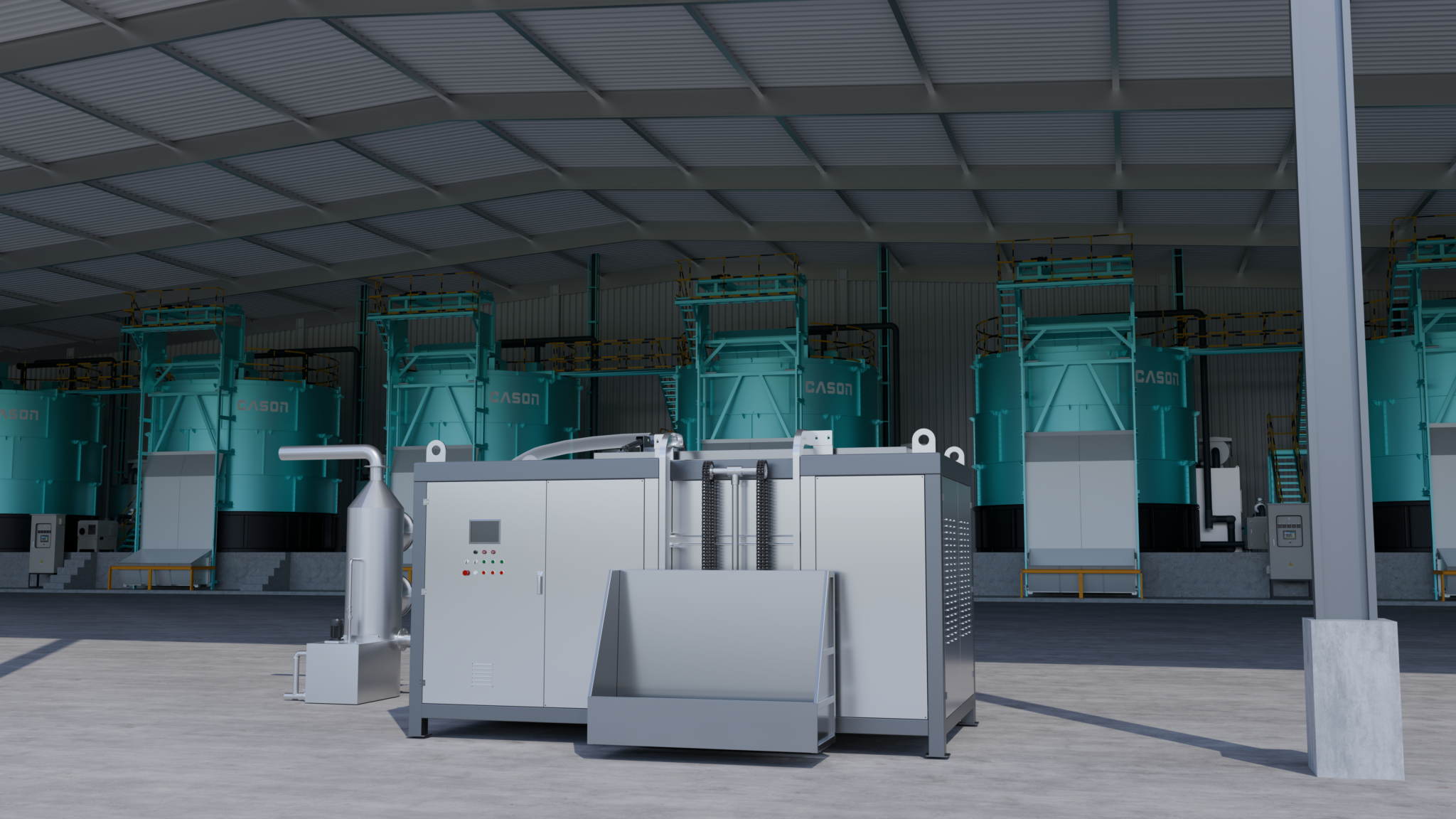
Consider this: if just 10% of households adopted these machines, we could see a significant drop in municipal waste, positively affecting local landfills and communities. This practical approach will not only cut down on waste but could also rejuvenate the soil, benefit gardens, and even support local agriculture. It’s a win-win situation!
As I reflect on the journey toward sustainable waste management, I can confidently say that the role of the organic waste composting machine will be pivotal. Companies like Cason are at the forefront, championing this change. The time for action is now, and I urge everyone to consider how integrating such machines could transform our waste management practices for the better. Together, let’s cultivate a cleaner, greener future!